
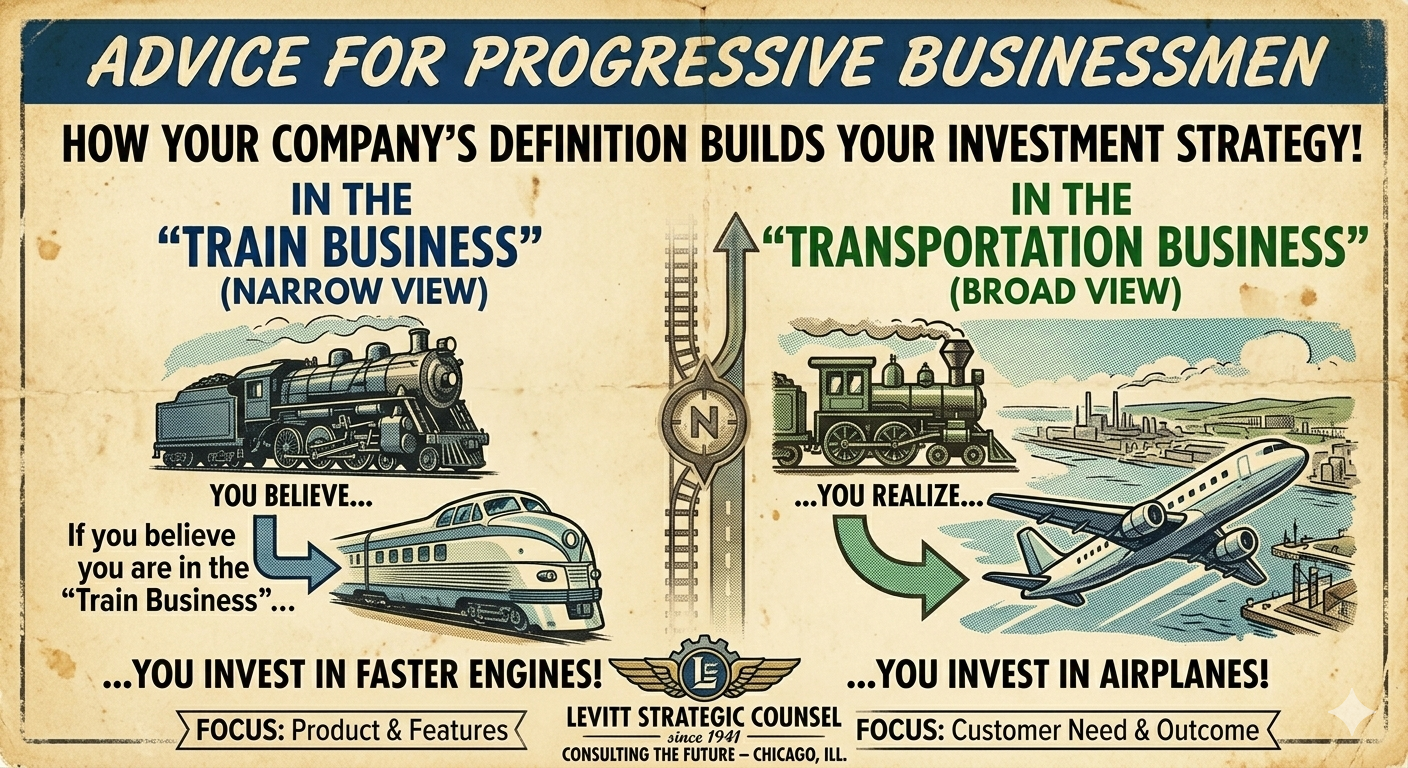
In 1960, Theodore Levitt gave us a mental model that should have saved every company in the world. He famously noted that people don’t want to buy a quarter-inch drill; they want a quarter-inch hole. He pointed to the railroad tycoons of the time as a cautionary tale. They thought they were in the "Railroad Business," so they invested in faster engines and stronger tracks.
They failed to realize they were actually in the "Transportation Business." While they were perfecting the rail, the world moved to the sky. Today, we are watching history repeat itself with Artificial Intelligence.
The Myopic Trap:
If you believe you are in the "Train Business," you invest in faster engines. If you realize you are in the "Transportation Business," you invest in airplanes.
The "Faster Drill" Fallacy
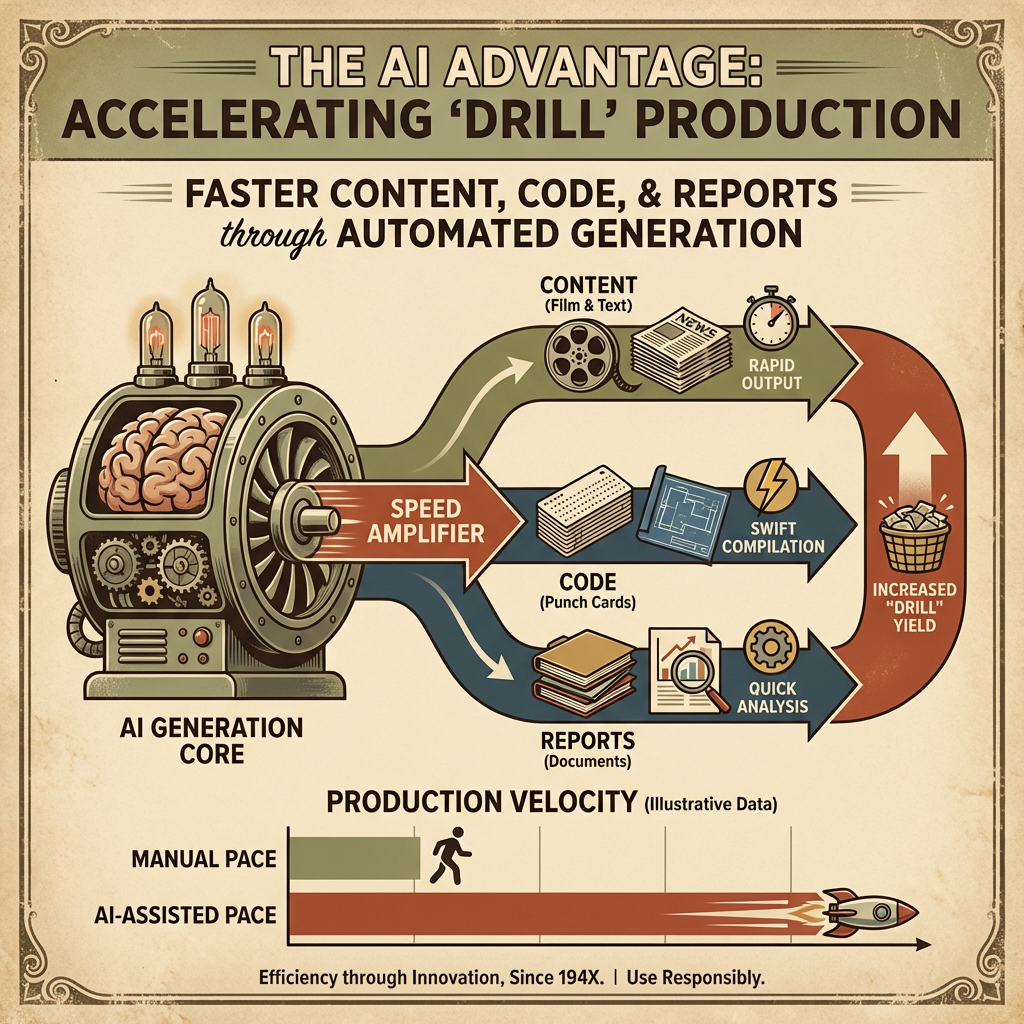
Most companies are currently using AI to make their "drills" 10% or 20% faster. They are automating internal processes, generating content more quickly, and refining their feature roadmaps.
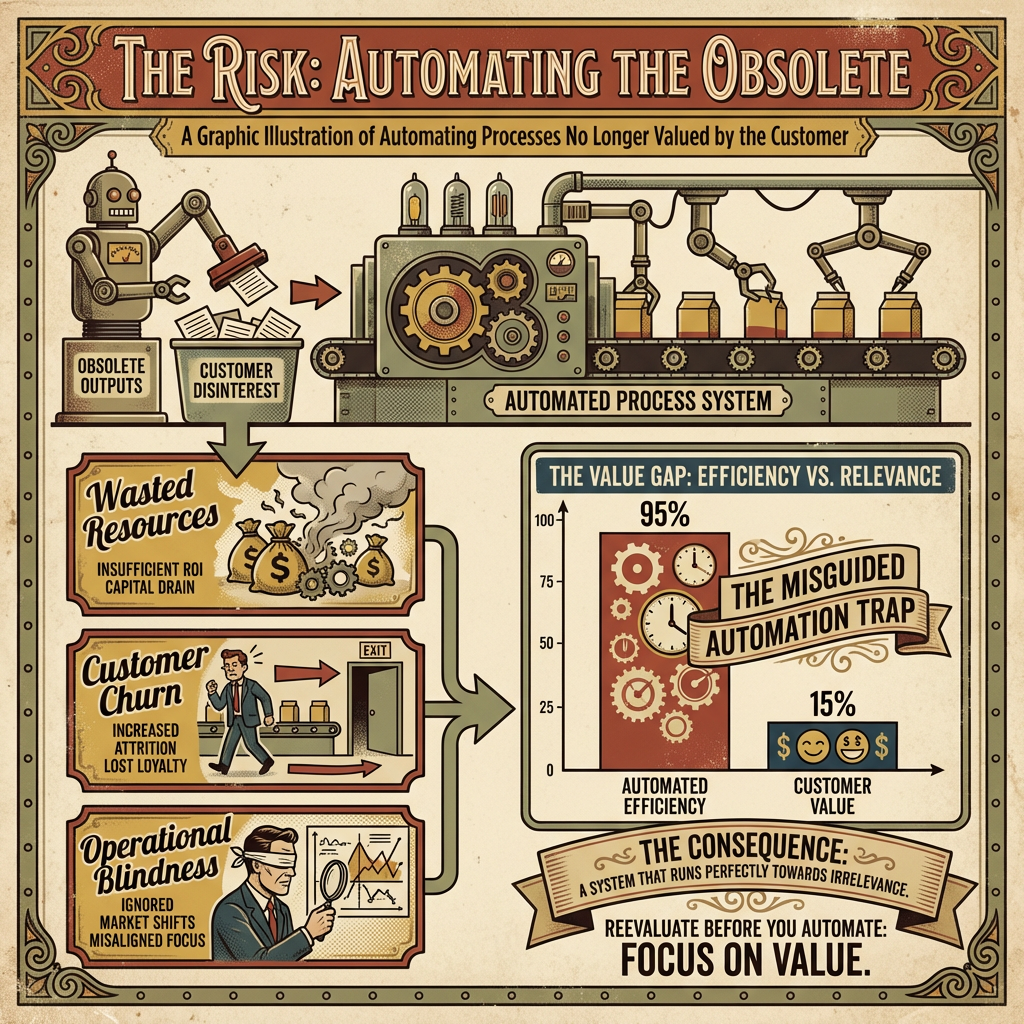
The Risk: If you use AI only to create a better drill, you are simply automating a process that the customer may soon perform themselves. If the customer can use AI to get the "hole" instantly, they no longer have any reason to "hire" your tool, no matter how fast it is.
The Laser vs. The Drill Bit
We have to stop asking: "How does AI make our product better?" We must start asking: "If AI can give the customer the outcome instantly, do they still need our product at all?"
The "hole" is no longer being made by a drill bit; it’s being made by a laser.
- Marketing: People don’t want marketing software; they want customers.
- Accounting: People don’t want accounting AI; they want financial compliance.
- Legal: A company doesn't want a lawyer; they want a legally binding contract.
The Structural Trap: Why Companies Fail to Pivot
Why is this shift so hard? Because modern companies are built exactly like the old railroads.
The railroads had a VP of Track Maintenance. They were culturally and structurally locked into the hardware of the rail.
Today, we have:
-
VPs of Lead Gen - Generating demand for our existing products and services
-
Heads of Product Features - Improving features of our tools and products to make them easier and more efficient to use.
-
Directors of Content Strategy - Creating content that helps show the value and benefits of our products and services.
None of these titles mention the customer’s progress. When your organization is built around the Asset (the software, the process, the "train"), it becomes a cultural norm to protect that asset. You become blind to the fact that the customer is looking at the sky, ready to fly.
The AI Survival Audit
To survive this shift, your role as a company must move from Tool Provider to Outcome Architect. This role needs to champion your customers and the outcomes (Your Heroes and their Missions) they desire, not the products and services you offer.
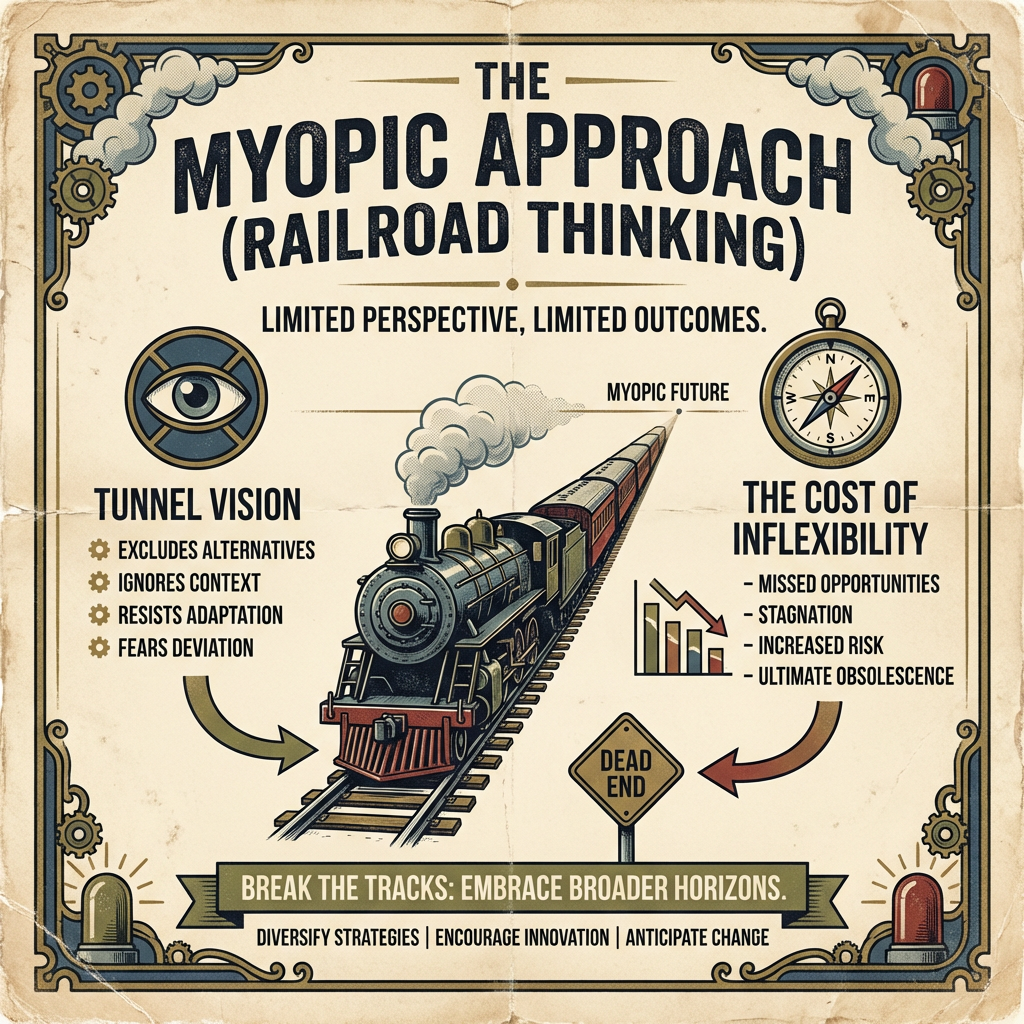
The Myopic Approach (Railroad Thinking)
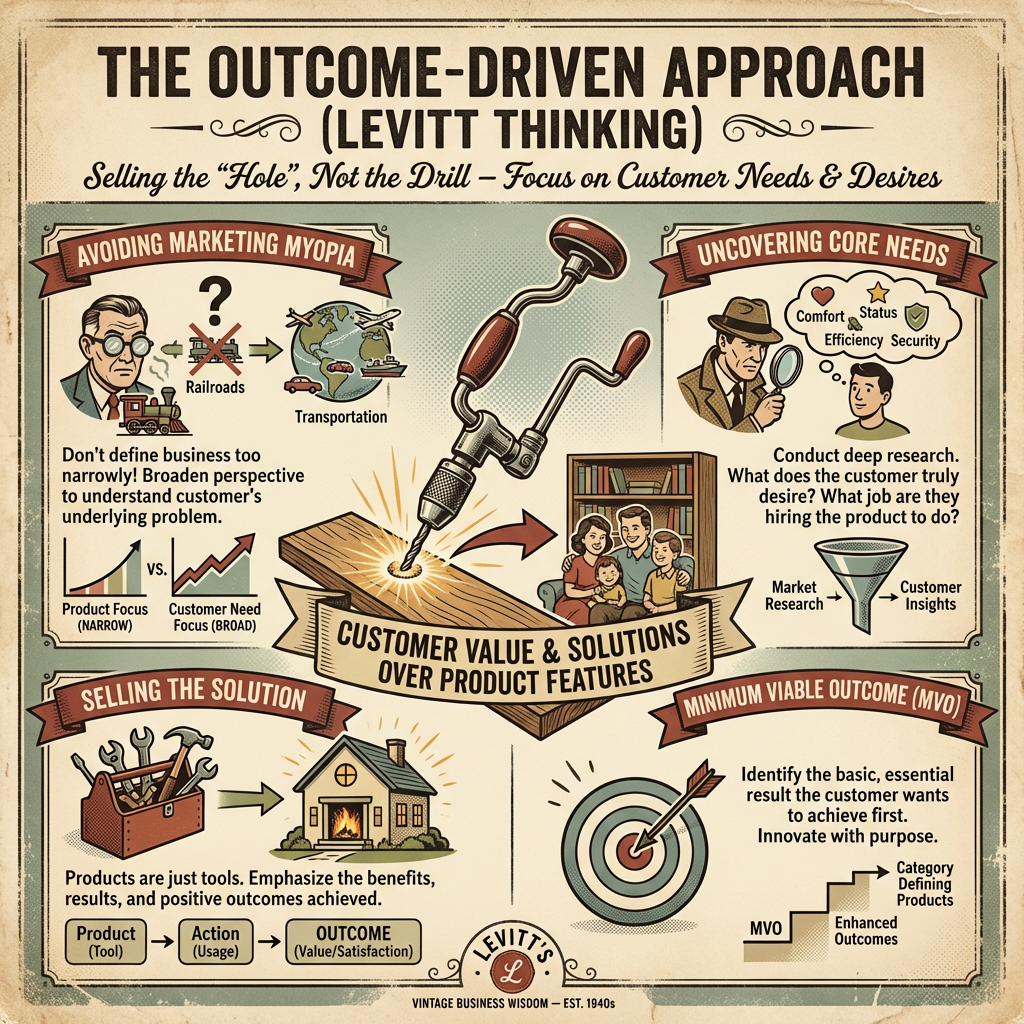
The Outcome-Driven Approach (Levitt Thinking)
Focus: Using AI to generate more "drills" (content, code, or reports) faster.
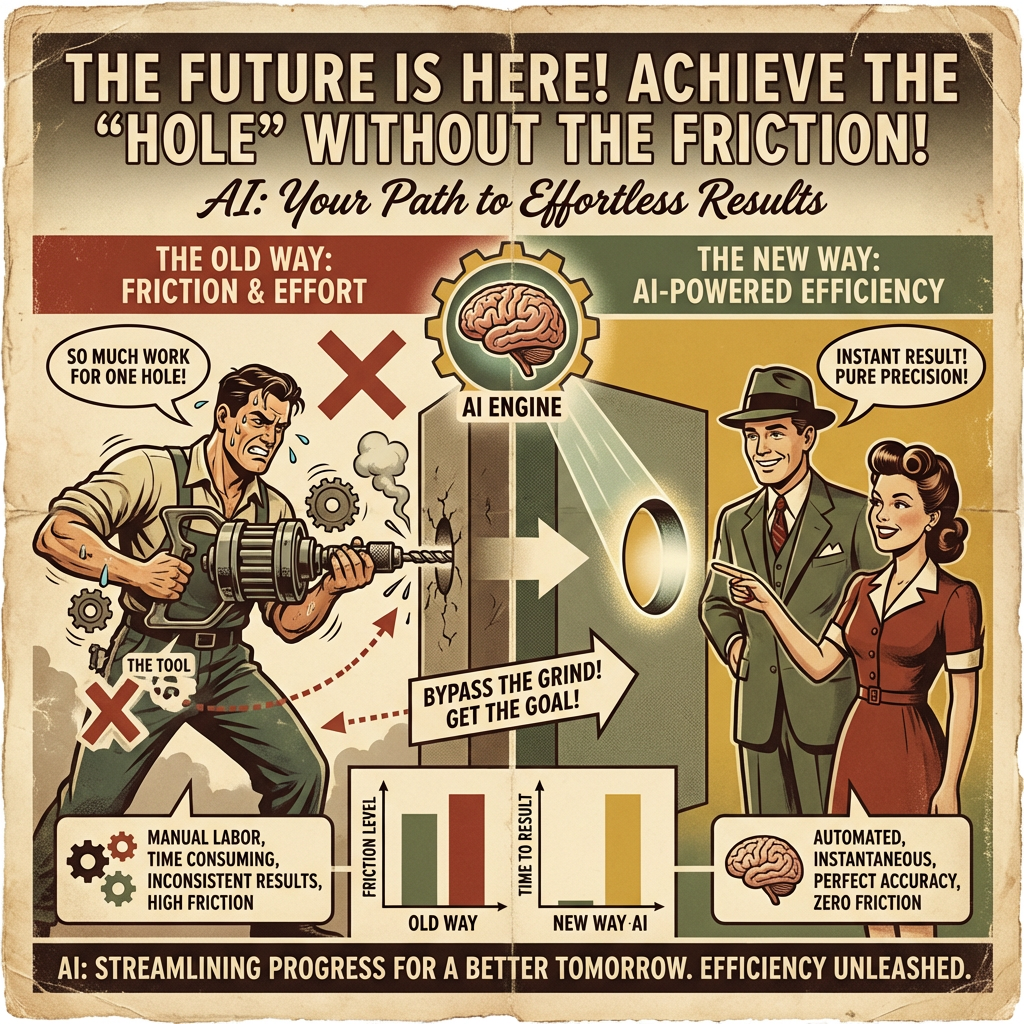
Focus: Using AI to achieve the "hole" (the end result) without the friction of the tool.
Risk: Automating a process that the customer no longer values.
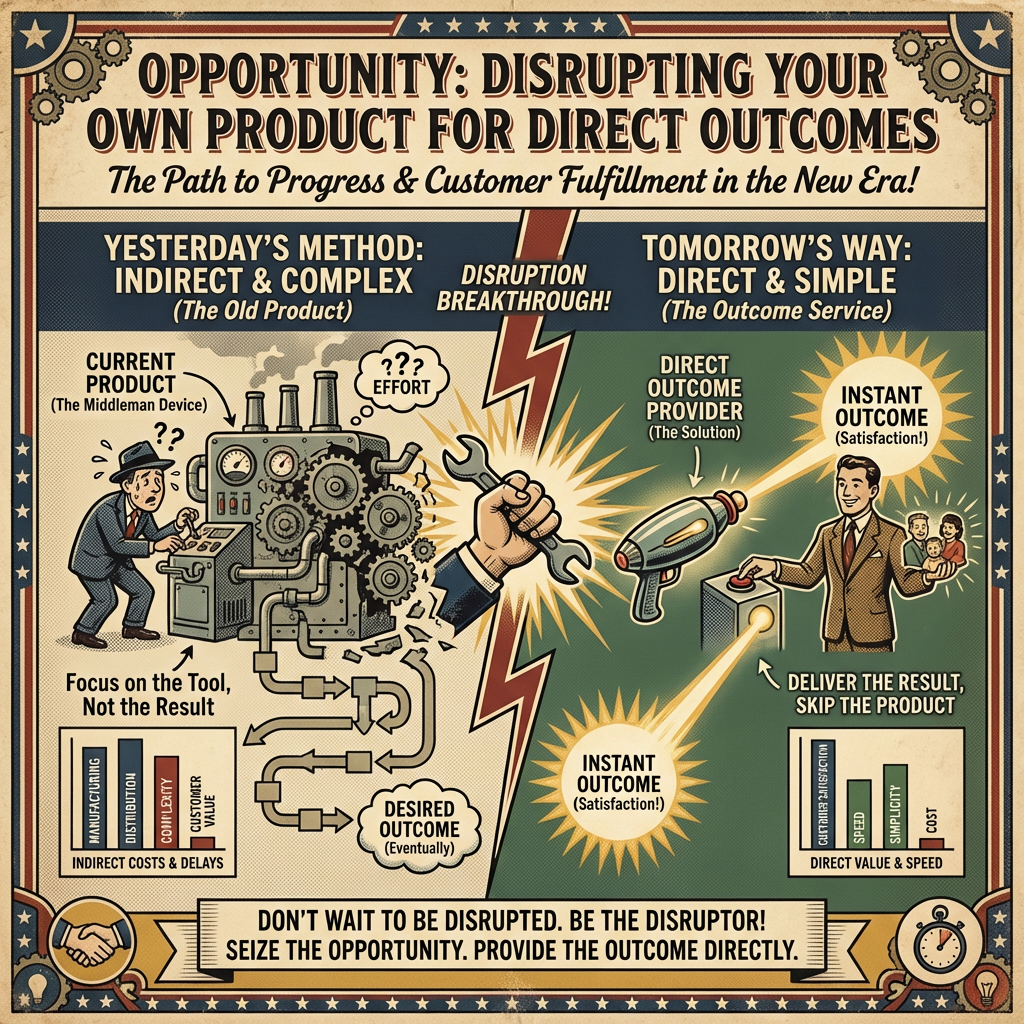
Opportunity: Disrupting your own product to provide the outcome directly.
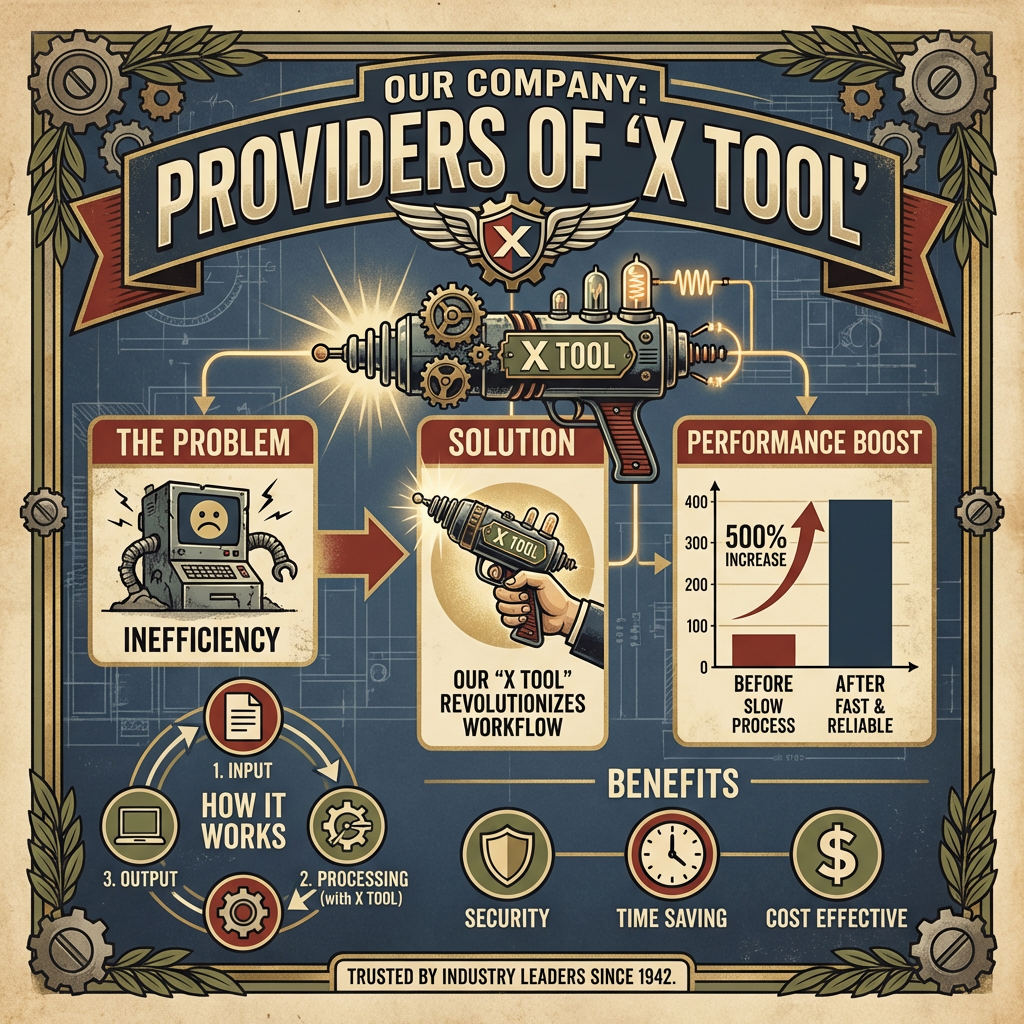
Identity: "We are a company that provides X tool."
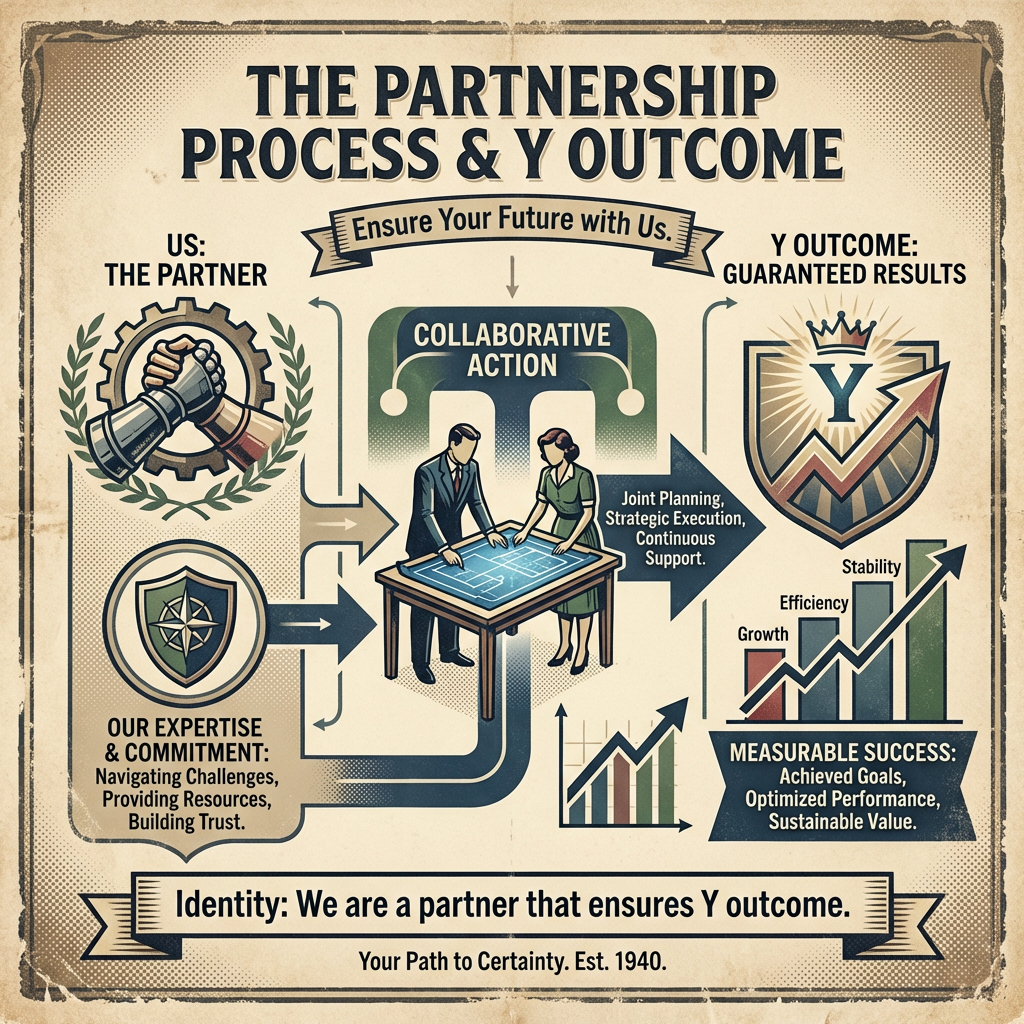
Identity: "We are a partner that ensures Y outcome."
The Bottom Line:
Don't be the railroad executive who ignored the airplane because you were too busy optimizing the coal engine. AI isn't just a new way to power your product—it’s a new way for your customer to bypass it entirely.
0 Comments